Home health care has become one of the fastest-growing sectors in the healthcare industry, and rural communities are at the heart of this surge. With demographic shifts, economic realities, and evolving patient preferences, rural America is seeing unprecedented demand for in-home care services. Here are five reasons for this trend:
1. Aging population and demographic shifts
Rural areas have a disproportionately high percentage of older adults. According to USDA data, counties where 20% or more of the population is aged 65 or older have nearly tripled since 2010. The number of people aged 65 and older in non-metro counties grew from 7.4 million in 2010 to 9.7 million in 2023. This aging population requires more assistance with daily living and chronic disease management, making home health care an essential service.
2. Hospital closures and limited access to care
Since 210, more than 150 rural hospitals have closed, and hundreds more are at risk. This leaves residents with fewer options for inpatient care and forces them to travel long distances for basic services. Home health care bridges this gap by delivering personal care directly to patients’ homes, reducing the need for costly hospital stays and improving access to care.
3. Cost effectiveness
Home health care is significantly less expensive than hospitalization or long-term facility care. It not only reduces costs but also improves recovery rates and patient satisfaction. Studies show that patients receiving hospital-level care at home experience lower costs, increased physical activity, and higher satisfaction with traditional inpatient care.
4. Preference for aging in place
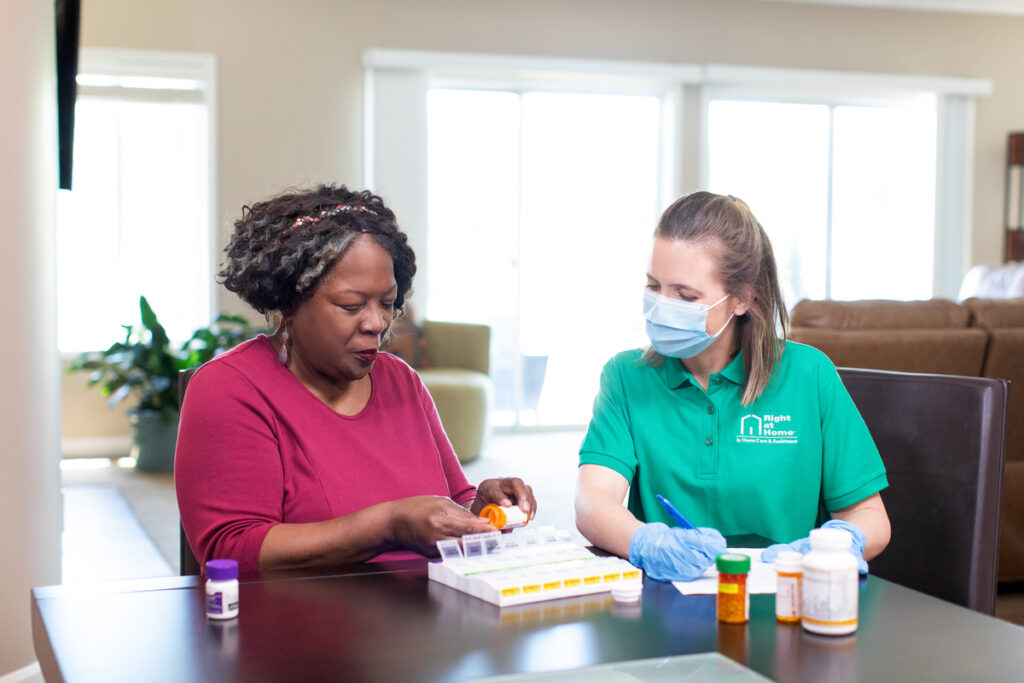
Most seniors prefer to remain in their homes rather than move to assisted living or nursing facilities. Home health care supports this preference by providing medical and personal care in familiar surroundings, which enhances emotional well-being and independence. This trend is particularly strong in rural communities, where family ties and home ownership rates are high.
5. Technology and telehealth expansion
Advancements in telehealth and remote monitoring have made it easier to deliver quality care in rural areas. From virtual physician visits to wearable health devices, like Right at Home’s RightAssist, technology helps overcome geographic barriers and ensures continuity of care. These innovations are critical in rural settings where clinician shortages and transportation challenges exist.
Right at Home: Leading the Way in Rural Home Care
As demand for home health care skyrockets, Right at Home is meeting the need through strategic franchise development. With 750 locations worldwide, Right at Home offers entrepreneurs the opportunity to make a meaningful impact in their communities while building a sustainable business. The brand focuses on:
- Geo-targeted growth in high-demand regions such as the Midwest and rural markets.
- Comprehensive support for franchisees, including training, technology rollouts like advanced CRM systems, and marketing resources.
- Innovative programs like RightAssist and Medicare’s GUIDE initiative to enhance caregiver coordination and dementia care.
Franchise owners benefit from a proven model, strong brand recognition, and the ability to serve aging populations when care is needed most. If you’re passionate about helping others and want to explore franchise opportunities, visit Right at Home Franchise Development to learn more.